Thanks to the late Anthony Bourdain, I grew up seeing cooking as one of my favourite hobbies as well as using food as a window through which to examine another culture. By tasting the foods of another culture, you are experiencing a history of the fuel that allowed the peoples to develop the culture you see today.
In the United States, we are afforded a wide array of growing seasons across the country, with some able to grow food stuffs year-round. In Norway, it is the exact opposite case. In Norway today, much of the foods rely on imports, but historically, it is a culture rich in preserved foods such as fish, particularly so in major cities including Bergen given their proximity to the ocean, and vegatables.
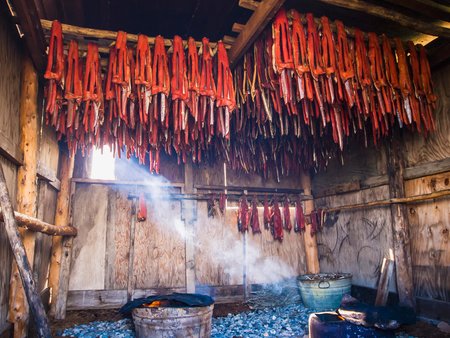
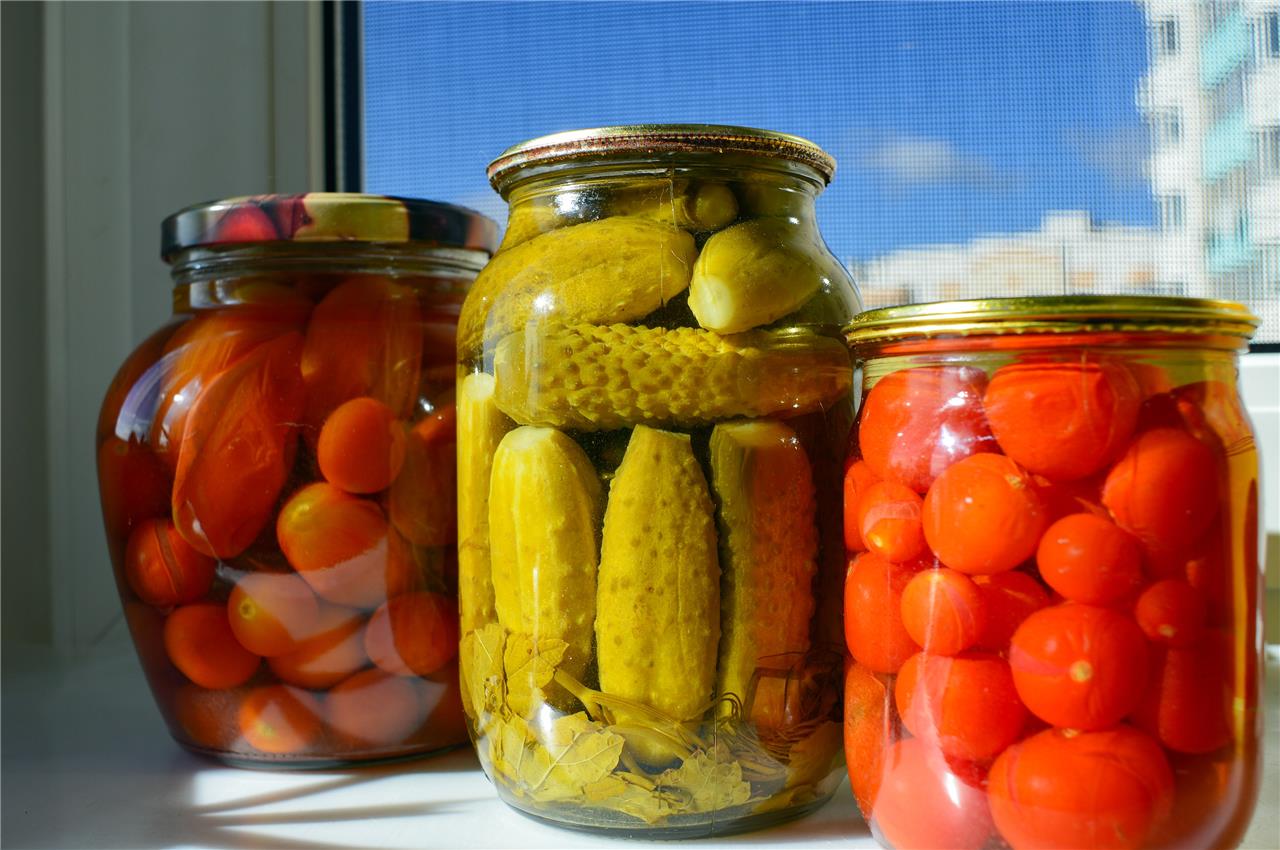
Given the difference, one must enter the Norwegian culture with few expectations towards the cuisine. You must give up your notions of what is typical or, rather, expected. You must open your palate to more salted, pickled, smoked, or fermented foods, as these are traditional methods of preservation of foods for long winter months, over the fresh produce you are used to in order to experience Nordic cuisine.
Culture shock is easy to be minimized through research. The familiar is always available given the modernity of Norway, but this defeats part of the purpose of travel. Determining what may be available to taste in your area prior to travel allows you to pre-immerse yourself in the trip. Additionally, if tasting isn’t an option, general knowledge of dishes you are likely to encounter is additionally helpful so you are better able to navigate the foods upon arrival.

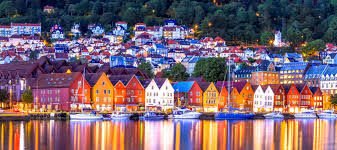


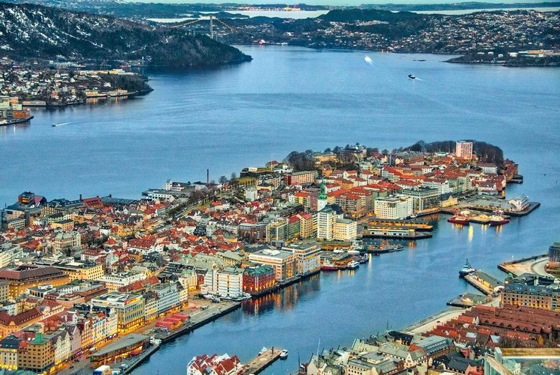
 Bon Voyage to Bergen