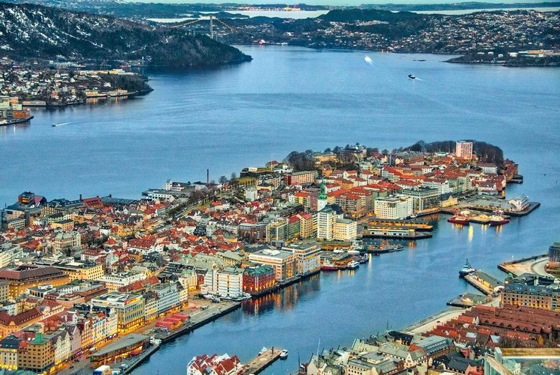
A Food History, Preserved

Thanks to the late Anthony Bourdain, I grew up seeing cooking as one of my favourite hobbies as well as using food as a window through which to examine another culture. By tasting the foods of another culture, you are experiencing a history of the fuel that allowed the peoples to develop the culture you see today.

            In the United States, we are afforded a wide array of growing seasons across the country, with some able to grow food stuffs year-round. In Norway, it is the exact opposite case. In Norway today, much of the foods rely on imports, but historically, it is a culture rich in preserved foods such as fish, particularly so in major cities including Bergen given their proximity to the ocean, and vegatables.
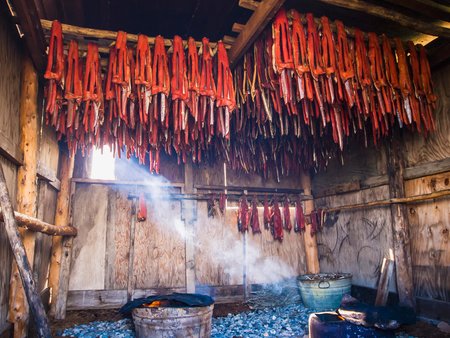
Example of Traditional Smoking of Salmon for Preservation

            Given the difference, one must enter the Norwegian culture with few expectations towards the cuisine. You must give up your notions of what is typical or, rather, expected. You must open your palate to more salted, pickled, smoked, or fermented foods, as these are traditional methods of preservation of foods for long winter months, over the fresh produce you are used to in order to experience Nordic cuisine.
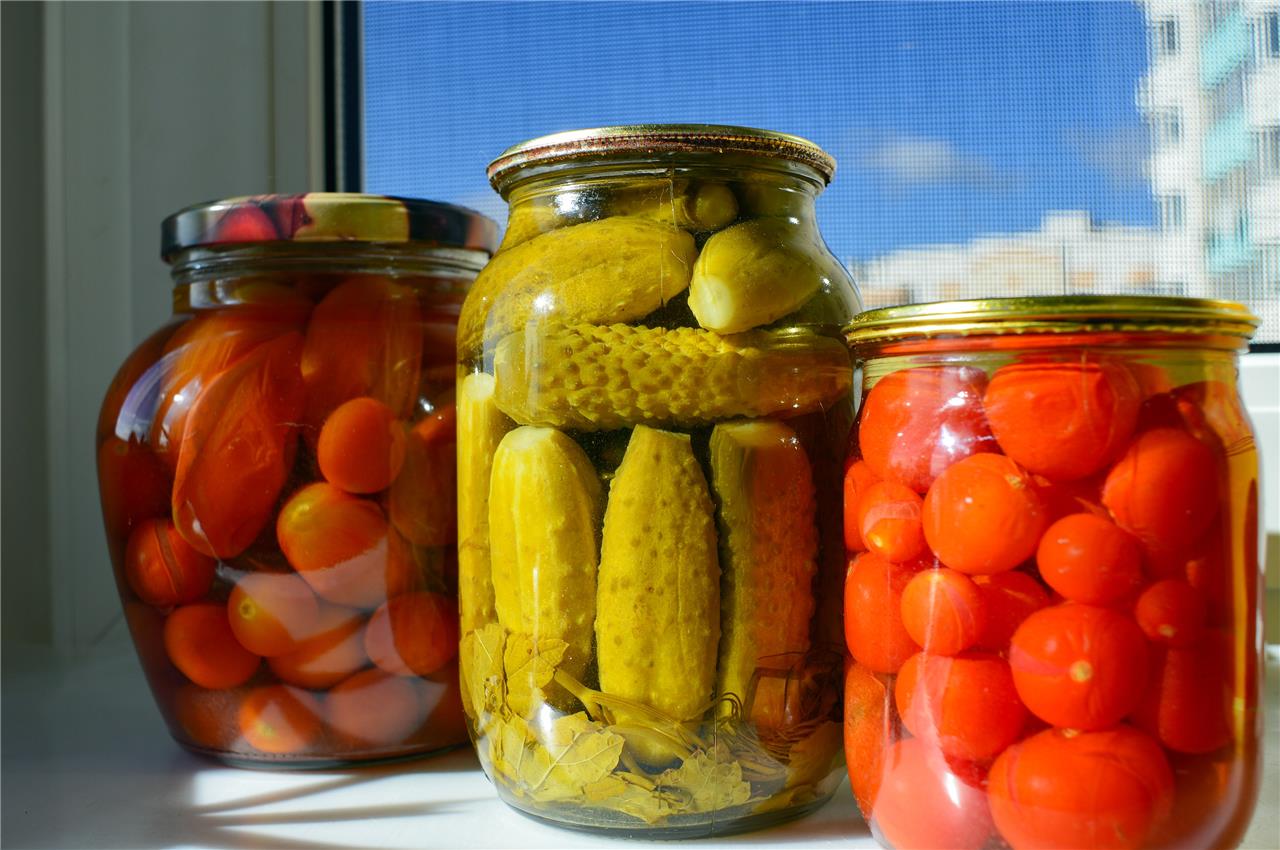
Modern version of the traditional method of brining foods for use in winter months

            Culture shock is easy to be minimized through research. The familiar is always available given the modernity of Norway, but this defeats part of the purpose of travel. Determining what may be available to taste in your area prior to travel allows you to pre-immerse yourself in the trip. Additionally, if tasting isn’t an option, general knowledge of dishes you are likely to encounter is additionally helpful so you are better able to navigate the foods upon arrival.
A Collectivist Culture

Travel notoriously offers you opportunities to connect with those on the same journey as you: one of attempting to experience another culture. I have had that exact experience meeting my friend Ludvig, a native of the outskirts of Oslo. Recently while out with him, he took to asking me about some of the differences I’d noted between the United States and Australia. The differences I noted were all common to him from growing up in Norway.

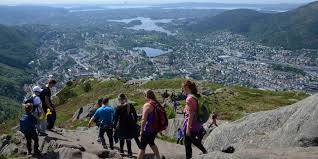
View of Bergen from the Seven Mountains

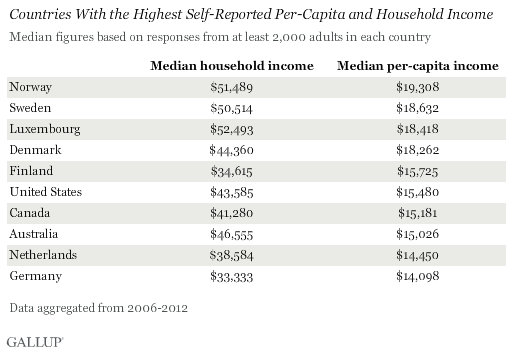
Our conversation began with talk of the higher average wage, even in typically lower paying jobs. Though not entirely foreign to me, seeing it implemented is foreign. He mentioned that the idea works in Norway because everyone in Norway is extremely behind the idea of keeping those around them uplifted in society and happy, showing the collectivist attitude.

Income yearly across 10 countries

We next spoke about me having noticed the increased health care availability. He noted that not only was his health care the same in Norway, his health care while in Australia is actually paid for by the Norwegian government as a result of their desire to ensure all citizens have access at all times.

Taxation Rates for Importation and Sale of Alcohol in Norway, in Norwegian Kroner

Finally, came the higher taxes I had noticed. To Ludvig, taxes seemed low. Everyday items are taxed as a way to pay for the higher wages and the social programs in Norway, but it make sense. Alcohol is extremely expensive, but it’s unhealthy so the vice is taxed to help pay for health care, leading to a healthier population as fewer choose to drink.

Despite not totally agreeing with all of his ideas given lack of lived experience of these things, I was able to better extrapolate the collectivist aspects of Norwegian culture and the type of individuals I would be interacting with in Bergen.

Architecture of Bergen

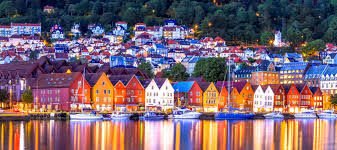
Bryggen, Bergen, the array of colourful homes along the wharf of Bergen, is by far one of the most recognizable landmarks associated with Bergen, Norway. The muted tone of the colours of the housing of the area is a ubiquitous mark, with the steep sided roofing a sign of the useful architectural style developed for preventing snow build up.

Bryggen, Bergen, Norway

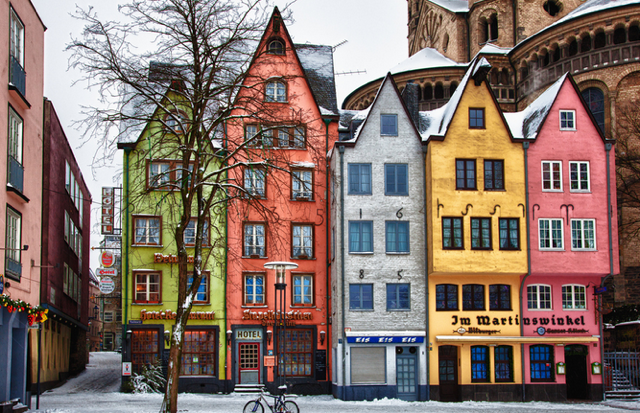
It is of note that the colourful nature of the Bryggen area is not found throughout the city. As seen above, the colourful facades are only present in the foreground. For guidance on the reasoning for this difference, I turned to a close friend, Niels Biehler, a native of the area, for the history. Upon asking him, he stated that the style dates back to the German heritage of those who originally lived in the area and brought with them the style of Bryggen.

The Colorful Style of Cologne, Germany

            Today, the picturesque colours provide little more than Instagram opportunities to most. As a smart traveller, it is our job to look deeper than that surface for the stories described above. In the aforementioned architecture, you are able to see the history of Norway in the adaptation of architecture to a harsh winter climate as well as the incorporation of the German diaspora. Additionally, this knowledge can be applied to similar places throughout the globe when you come to recognize the key marks of the Norwegian Architecture.

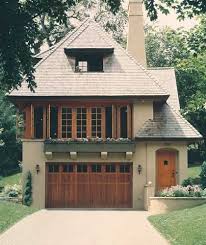
A similarly steep roofed home found in Minneapolis, Minnesota

In my home city of Minneapolis, Minnesota, Norwegian heritage is abundant and the steep roofed architecture has proliferated in the area given the heritage and similar climate. To those who hold this understanding of what more is hidden in looks of Bryggen, Bergen, one is able to look and form this connection of heritage without research and more fully understand the area they are traveling.

Bon Voyage to Bergen

Maxwell Bredenkoetter

Dr. James Stratford

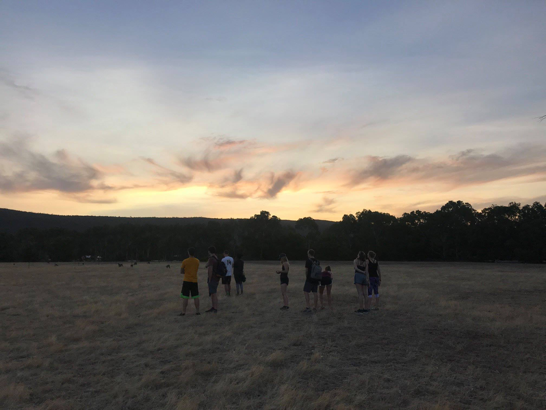
Grampians National Park, Victoria, Australia 02/03/19

Pico Iyer states that “Travel is the best way we have of rescuing the humanity of places” in his piece “Why We Travel.” Though we are able to relate to the historical humanity of that places we go, we must also remember to preserve this historical humanity. Otherwise, in our attempts to rescue the humanity of the place, we may unwittingly destroy the humanity to be salvaged.

Bergen, Norway

My name is Maxwell Bredenkoetter and I am currently a third-year student at the University of Melbourne studying Accounting. I directly look to travel as a defining experience that helps to shape and, often, redefine my own view on the world. Through diverse experiences of culture, architecture, history and food, we are better able to relate to others of different backgrounds and become more educated and understand the forces which shape a place. In my examination of Bergen, Norway, I hope to understand the influences through history that have resulted in the Norwegian culture of today.